Uncover Namibia Tours and Safaris: Your Ultimate Guide to Adventure
Namibia emerges as an exceptional destination for thrill-seekers and nature lovers. Its striking landscapes and rich biodiversity create a stunning canvas for remarkable encounters. From the magnificent dunes of Sossusvlei to the expansive wilderness of Etosha National Park, there is much to discover. Numerous safari choices are available to suit varying preferences and passions. The journey promises not only stunning scenery but also deep cultural connections. What wonders are in store for visitors to this captivating destination?
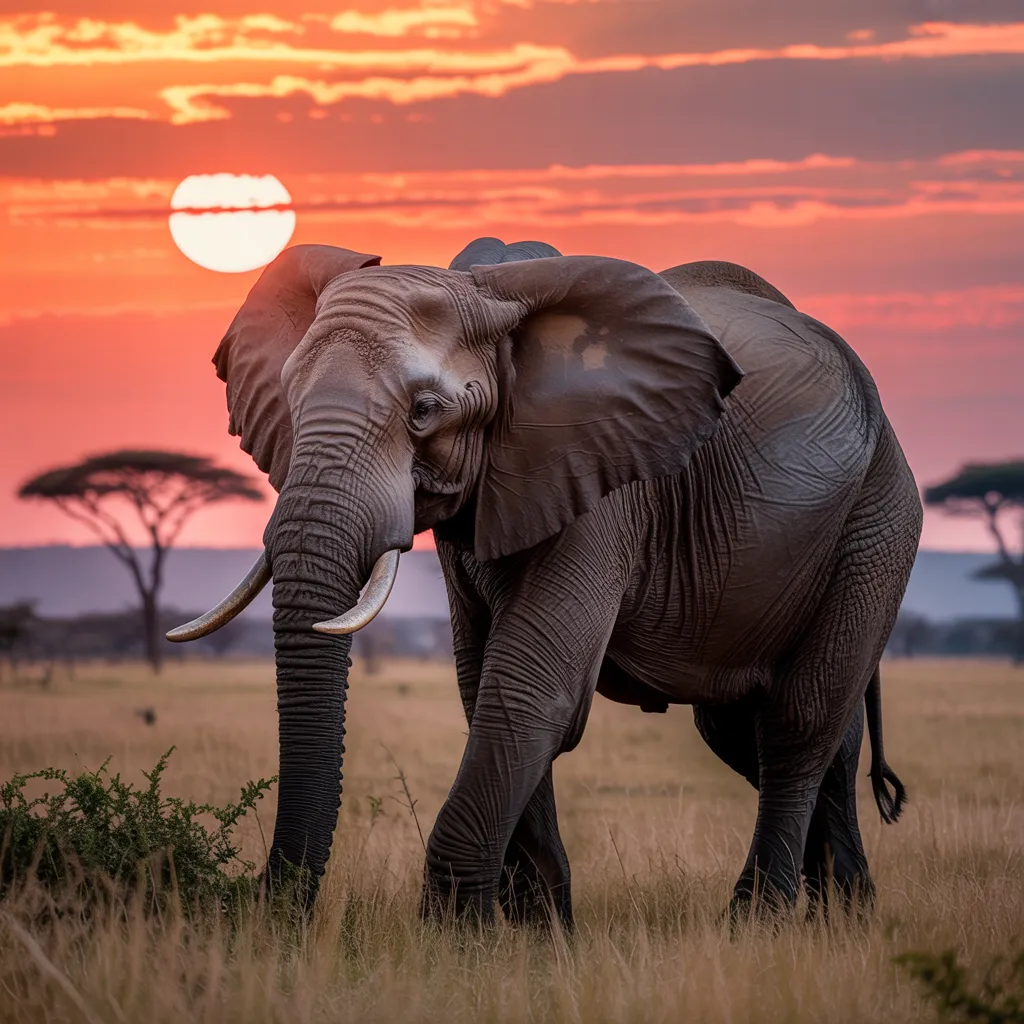
Premier Destinations to Uncover in Namibia
When planning a trip to Namibia, travelers will discover a wealth of associated resource breathtaking destinations that highlight the country's varied landscapes and wildlife. The iconic Sossusvlei, with its towering red dunes, encourages adventurers to explore the otherworldly beauty of the Namib Desert. Etosha National Park is renowned for its remarkable wildlife viewing, showcasing elephants, lions, and rhinos that roam its vast salt pans. The Skeleton Coast, with its striking shoreline and shipwrecks, provides a mysterious yet mesmerizing experience for nature enthusiasts. Damaraland, home to ancient rock art and the unique desert-adapted elephants, offers a glimpse of Namibia's rich cultural history. Additionally, the Fish River Canyon, a canyon of remarkable global significance, presents stunning hiking opportunities. Each of these destinations provides a unique perspective on Namibia's natural wonders, positioning it as an exceptional option for travelers seeking adventure and exploration.
Best Times to Visit Namibia
What is the optimal time of year for visitors traveling to Namibia? The ideal period to visit this stunning country is during its dry season, which typically spans from May to October. Throughout this period, temperatures remain cooler, allowing outdoor adventures and wildlife observation to be more enjoyable. Namibia's landscapes are particularly striking in the dry season, as the lack of rain enhances visibility and highlights the unique geological formations.
In contrast, the wet season, from November to April, introduces higher temperatures and intermittent showers, resulting in dense foliage and an energetic ambiance. That said, wildlife may be harder to observe during this time, as animals disperse in search of water sources.
At the end of the day, the best time to visit Namibia is determined by travelers' priorities between wildlife viewing and discovering the country's rich, green landscapes. Every season provides a unique outlook on Namibia's breathtaking natural scenery.
Types of Safaris Available
Namibia presents a wide array of safari experiences that cater to various interests and preferences. Outdoor enthusiasts can opt for self-drive safaris, providing a personalized exploration of the country's breathtaking landscapes, or guided excursions led by expert rangers, delivering an informative experience. For those interested in photography, dedicated photo safaris offer abundant opportunities to capture Namibia's spectacular vistas and remarkable wildlife.
High-end safaris, providing lavish amenities and restricted access to private game reserves, appeal to travelers seeking comfort alongside adventure. Green safaris prioritize sustainability, concentrating on environmental protection while connecting travelers with Namibia's breathtaking wilderness. Cultural expeditions reveal the rich traditions of local communities, adding profound depth to the travel experience. Finally, family-friendly safaris are tailored to engage younger travelers, creating lasting memories for travelers of all age groups. All safari varieties provide remarkable possibilities, establishing Namibia as a top-tier destination for every type of explorer.
Exceptional Wildlife Encounters
Investigating Namibia's diverse safari types inevitably results in remarkable wildlife experiences that are unmatched in their breadth and quality. The nation's immense landscapes, from the arid Namib Desert to the lush wetlands of the Okavango, offer habitats for an outstanding array of wildlife. Explorers can encounter the celebrated Big Five—lion, elephant, buffalo, leopard, and rhinoceros—in their natural surroundings, often during exhilarating guided game drives or bush walks.
Furthermore, Namibia is renowned for exceptional species such as the desert-roaming elephants and black rhinos of Damaraland. Birdwatchers can delight in spotting rare avian species, including the breathtaking African fish eagle and the vibrant lilac-breasted roller. The country's focus on conservation ensures that these incredible wildlife encounters remain preserved, giving explorers the chance to witness the grandeur of nature while nurturing local ecosystems. Each Namibian safari is an invitation to engage profoundly with the wild and discover nature's miracles.
Cultural Experiences and Local Communities
How do cultural engagements elevate the overall travel experience in Namibia? Engaging with local communities allows travelers to gain a deeper understanding of the country's diverse heritage. Namibia is home to several indigenous groups, including the Himba, San, and Damara, each with unique traditions, languages, and lifestyles. Guests regularly engage in time-honored ceremonies, discover ancient artisanal crafts, and enjoy authentic culinary traditions, cultivating deep and memorable connections.
Such exchanges serve to boost cultural understanding while simultaneously strengthening local economies. Numerous community-driven tourism programs ensure that a share of the revenue goes directly to the communities participating, promoting sustainable practices. Visitors have the opportunity to observe the hardships and achievements of these local groups, gaining insights into their resilience and adaptability in a changing world. At their core, cultural interactions throughout Namibia elevate the travel experience, transforming mere sightseeing into profound experiences that resonate long after returning home.
Essential Packing Tips for Your Trip
When organizing a trip to Namibia, it is crucial to contemplate what items to pack for a relaxing and fulfilling experience. Visitors should opt for breathable, comfortable attire suitable for both hot afternoons and chilly nights. Earth-toned clothing are ideal to blend in with the stunning landscapes while deterring unwanted insects. Robust hiking shoes are a must, particularly for those setting out on wildlife expeditions or exploring national parks.
Protecting yourself from the sun is essential; consequently, bringing a wide-brimmed hat, sunglasses, and high-SPF sunscreen is strongly advised. Carrying a reusable water bottle is essential for staying hydrated on your adventures. Moreover, a good camera or smartphone with ample storage is important for capturing the breathtaking scenery and wildlife.
Travelers must remember to pack necessary hygiene products, a simple first aid kit, and any prescribed medicines. Lastly, a dependable power adapter suited to Namibia's electrical outlets ensures that electronics stay powered throughout the trip.
Featured Tour Operators and Packages
Picking the right tour operator can greatly enhance a visitor's journey in Namibia, as numerous companies provide customized packages that address different preferences and price ranges. Those in search of luxury, operators like Wilderness Safaris provide premium accommodations and extraordinary opportunities in remote regions. Adventure enthusiasts may opt for companies such as Chameleon Safaris, which specialize in small group tours and self-guided driving experiences, allowing for a more intimate appreciation of the natural surroundings.
For family-friendly adventures, Namibia Tours and Safaris presents comprehensive packages featuring experiences that cater to all ages. Travelers on a budget can explore economical alternatives with companies like Eco Travel, which emphasize sustainable tourism while keeping costs low. Each provider showcases tailored itineraries, encompassing iconic attractions like cultural interactions with local tribes, the Namib Desert, and Etosha National Park. In the end, choosing a trustworthy tour operator is essential for a fulfilling and memorable journey across Namibia's stunning scenery.
Frequently Asked Questions
What Is the Standard Cost of a Namibia Safari Tour?
The standard cost of a Namibia safari experience usually varies from $150 to $500 per person per day, depending on elements like accommodation, inclusions, and the specific activities chosen during the trip.
Are There Health Precautions to Consider When Visiting Namibia?
Travelers to Namibia are advised to get vaccinations for hepatitis A, typhoid, and malaria prophylaxis, most importantly in countryside locations. Staying hydrated, using insect repellent, and carrying a first-aid kit are strongly suggested for a safe journey.
What Kind of copyright Do You Need to Visit Namibia?
Tourists visiting Namibia are usually required to obtain a copyright, which may be secured before arrival or at the point of entry, depending on the traveler's nationality. It's advisable to check specific copyright regulations based on individual circumstances.
Is It Safe to Travel Solo in Namibia?
Namibia can be a safe destination for solo travelers, especially for those with travel experience. Vigilance is recommended in metropolitan zones, whereas rural areas provide breathtaking scenery and reduced hazards. Awareness and preparation enhance safety and enjoyment during the adventure.
Am I Able to Rent a Vehicle for Self-Drive Safaris in Namibia?
Certainly, travelers can hire vehicles for independent safaris in Namibia. Several vehicle rental companies supply a variety of alternatives, including off-road vehicles perfect for the varied terrains, guaranteeing an thrilling and versatile journey.